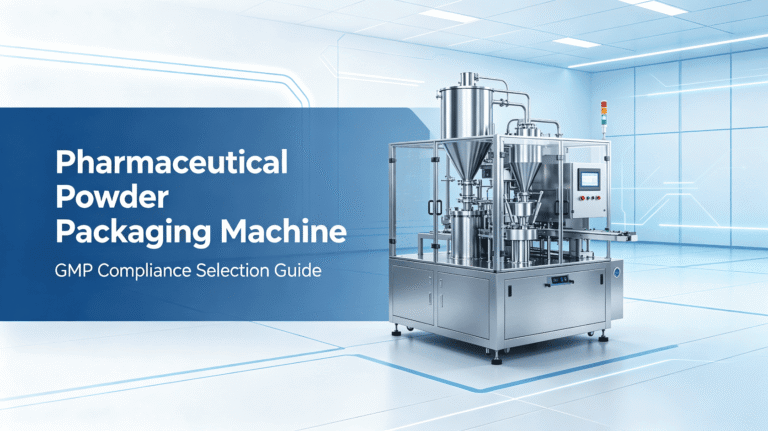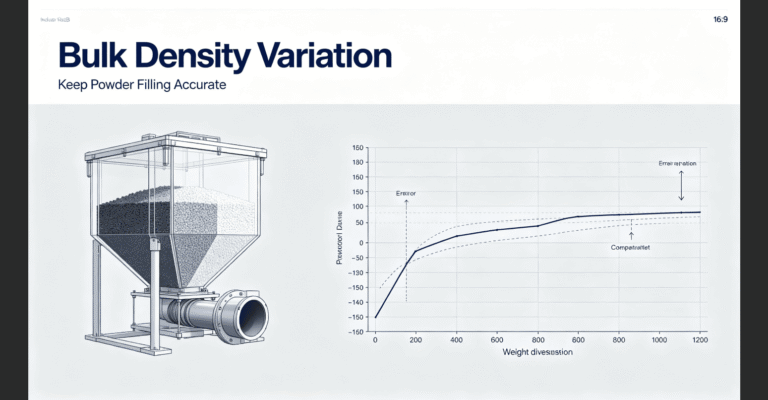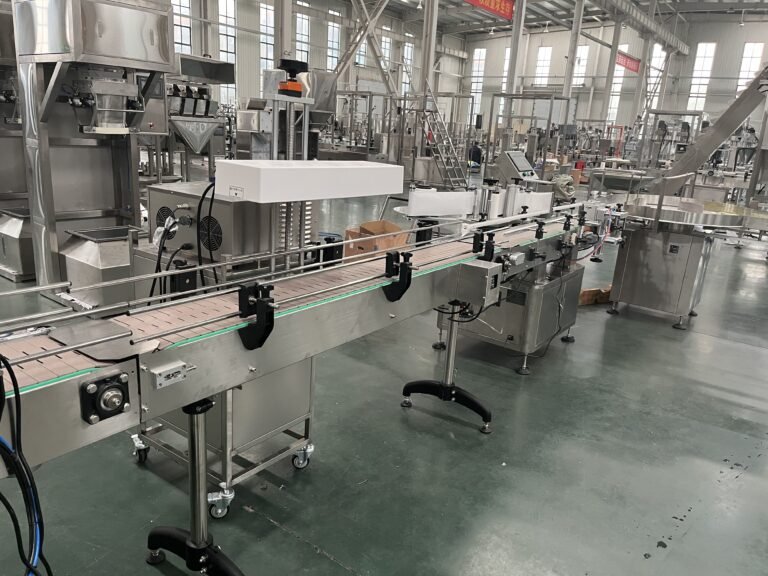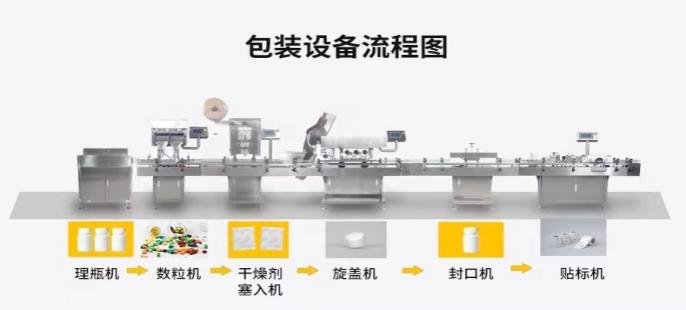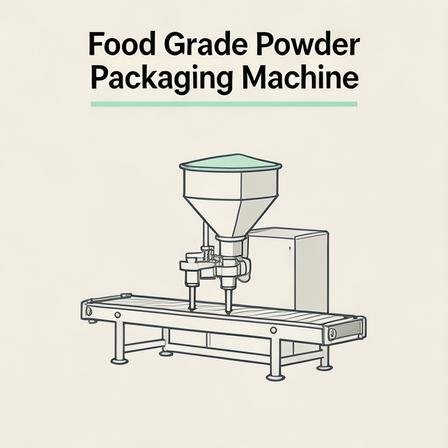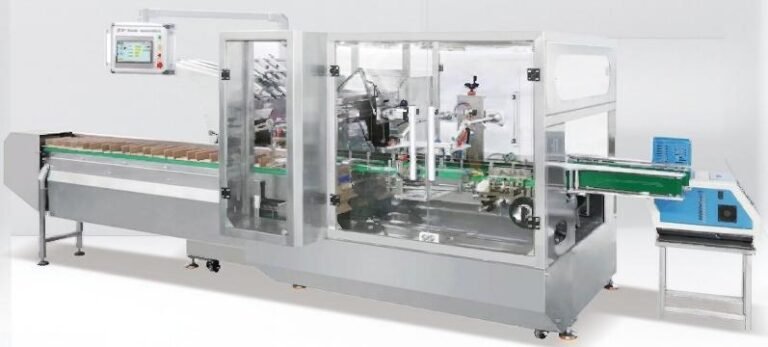
Matcha powder packaging is the most critical process to preserve the original green color, fresh tea aroma, and long shelf life of premium ceremonial and culinary matcha. As an ultra-fine, high-value tea powder, matcha is extremely sensitive to light, oxygen, static electricity, and moisture. For matcha manufacturers and packaging suppliers, using a professional matcha powder packaging machine is the most effective way to reduce defective products, avoid oxidation discoloration, and improve brand premium in the global premium tea market.
Most general powder packaging machines fail to handle ultra-fine matcha powder properly, resulting in common production issues such as flying dust, clip-powder sealing leakage, static adhesion, powder caking, and color fading. These packaging problems cause unstable quality, high waste rates, and shortened shelf life. To solve these industry pain points, we provide professional automatic powder packaging machine and semi-automatic packaging solutions fully optimized for matcha’s unique physical and chemical characteristics.
This 2026 industry guide deeply analyzes matcha powder material traits, mainstream matcha packaging styles and standard specifications, key packaging pain points, and practical matcha packaging solutions for both small-batch flexible production and large-scale automated mass production.
1. Unique Characteristics of Matcha Powder (Key Packaging Challenges)
Matcha powder is produced through low-temperature superfine grinding, featuring ultra-fine particle size, pure tea ingredients, and high activity. Its material properties make packaging far more demanding than ordinary food powder. All premium tea powder packaging equipment must adapt to the following features:
-
Ultra-fine powder & easy dust flying: High-grade matcha reaches 1000–1200 mesh with light specific gravity. During filling, floating fine powder easily covers the sealing area, causing clip-powder sealing, micro leakage, and poor airtightness.
-
Light-sensitive & easy oxidation: Rich in chlorophyll and tea polyphenols, matcha oxidizes quickly under light and oxygen, turning from bright emerald green to dull yellow-grey and losing its original fresh tea flavor.
-
Strong hygroscopicity & caking: Matcha powder easily absorbs moisture in the air, leading to hard caking, taste deterioration, and greatly shortened shelf life without tight moisture-proof packaging.
-
Static adhesion & poor fluidity: Ultra-fine tea powder generates static electricity during high-speed operation, causing powder adhesion on hoppers, pipes, and bag walls, resulting in uneven filling and unstable net weight.
2. Key Matcha Packaging Pain Points for Manufacturers
Many matcha processing factories still use universal powder packaging equipment that is not tailored for ultra-fine tea powder, causing recurring quality and cost problems in mass production:
-
Clip-powder sealing & high defective rate: Floating residual powder on sealing edges causes virtual sealing and air leakage, leading to oxidation and moisture damage of finished matcha powder.
-
Unstable micro-metering waste: Popular single-serve matcha requires 1.8g–5g ultra-precise packaging. Static powder adhesion leads to weight deviation, causing raw material waste and unqualified batches.
-
Color fading & short shelf life: Lack of nitrogen flushing and full barrier packaging leads to residual oxygen inside bags, causing fast oxidation and failing to meet export-grade shelf life standards.
-
Dust pollution & low sanitation: Diffused matcha dust pollutes workshop environments and equipment, increases cleaning costs, and fails strict food-grade sanitation standards for export products.
-
Low equipment flexibility: Ordinary machines cannot quickly switch between stick packs, tin cans, and stand-up pouches, limiting multi-scenario product layout for matcha brands.
3. 2026 Mainstream Matcha Packaging Styles & Specifications
With the growth of global premium tea and healthy beverage markets, matcha packaging has formed a complete system covering retail portable packs, household baking packs, high-end gift packs, and commercial catering bulk packs:
3.1 Single-Serve Stick Pack (1.8g–5g)
Ultra-popular portable matcha packaging for cross-border e-commerce and retail. Lightweight and disposable, ideal for office use, travel, and daily brewing. Requires micro-precision filling, dust-free sealing, and nitrogen preservation to lock freshness effectively.
3.2 High-Barrier Stand-Up Zipper Pouch (30g–250g)
Multi-layer AL/PE high-barrier bags block light, air, and moisture completely. Reusable zippers keep residual matcha fresh after opening, perfect for household drinking and baking ingredient packaging.
3.3 Luxury Tin Can Packaging (30g–100g)
Metal tin cans provide full light shielding and airtight performance, widely used for ceremonial premium matcha and gift-box products. Dust-free filling and vacuum nitrogen filling maintain original color and aroma for high-end positioning.
3.4 Commercial Bulk Aluminum Foil Bag (500g–1kg)
Thickened barrier bulk bags for chain beverage shops, bakeries, and food factories. Designed for large-volume stable filling, dust control, and reinforced sealing for long-term storage and bulk transportation.
4. Professional Matcha Powder Packaging Machine Solutions
Targeting matcha’s core packaging difficulties including dust flying, static adhesion, oxidation discoloration, and micro-weight deviation, we provide two sets of tailored matcha powder packaging machine solutions for different production scales.
4.1 Semi-Automatic Solution for Small Batch & Trial Production
Best for: Start-up matcha brands, small-batch customization, multi-specification flexible production
Equipment combination: Semi automatic powder filling machine + precision constant-temperature sealer + dust removal system
Core advantages
-
Built-in static elimination and buffer feeding to reduce dust flying and powder adhesion
-
Supports full-range adjustable metering from 1.8g micro-packs to 1kg bulk packs
-
Compatible with tin cans, zipper pouches, and aluminum foil flat bags
-
Stable heat sealing eliminates clip-powder leakage, improving finished product yield
4.2 Fully Automatic Solution for Large-Scale Mass Production
Best for: Mature matcha factories, export orders, high-volume stick pack production
Equipment combination: High-speedautomatic powder packaging machine / multi-column stick pack machine
Core advantages
-
Negative pressure dust removal system completely solves ultra-fine matcha dust and clip-seal issues
-
Vacuum nitrogen flushing minimizes residual oxygen to prevent oxidation and color fading
-
Servo high-precision metering ensures stable weight for 1.8g–5g single-serve packs
-
Food-grade 304/316 stainless steel structure meets international export standards
5. Matcha Packaging Machine Selection Guide
Matcha is a high-value sensitive powder; general-purpose machines cannot meet premium-grade packaging standards:
-
Small factories & new brands: Choose semi-automatic systems for flexible multi-specification production
-
Mass retail stick pack production: Choose fully automatic multi-column packaging lines
-
High-end & export-grade matcha: Prioritize models with dust removal and nitrogen preservation modules
6. Conclusion
Professional matcha powder packaging requires strict control of dust prevention, static elimination, anti-oxidation, and precise micro-metering. Only customized matcha powder packaging machine solutions can solve common pain points such as color fading, sealing leakage, and high defective rates.
We provide global matcha manufacturers with one-stop packaging equipment solutions, including semi-automatic flexible machines and fully automatic production lines, helping brands stabilize quality, extend shelf life, and improve market competitiveness.