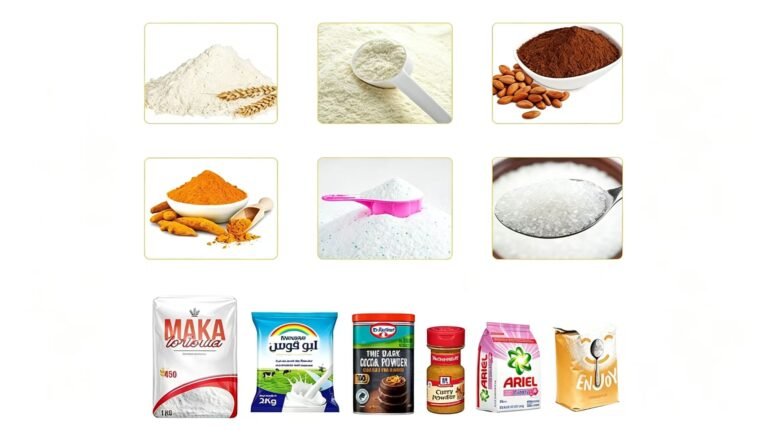
7 Ways to Improve Filling Accuracy of Your Screw Metering Machine
Filling weight inconsistency is one of the most costly headaches for powder production lines. Overfilling wastes expensive raw material; underfilling triggers customer complaints, failed weight inspections and even product recalls. For many factories, a 1% error swing can add up to tens of thousands of dollars in lost material every year.
If you run a screw metering machine and struggle with drifting accuracy, this guide breaks down the root causes and 7 actionable methods to stabilize fill weights, based on our field experience from hundreds of powder filling line projects.
Why Screw Filling Accuracy Drifts: 5 Root Causes
Accuracy problems are almost never just “the machine is bad”. They usually come from mismatches between material, equipment, setup and operating conditions.
- Material density variation Even the same product from different batches can vary 3–8% in bulk density. Since screw metering is volumetric by nature, density changes directly translate into weight errors. This is the single biggest cause of accuracy drift in real production.
- Screw wear and part fatigue After months of continuous operation, screw flights wear down, seals leak, and bearings develop play. Discharge volume changes slowly over time, and accuracy gradually drops off — usually so slowly that operators do not notice until inspections fail.
- Unstable feed supply Inconsistent hopper level, powder bridging, or uneven feeding changes how tightly the screw packs with powder. If the screw does not fill consistently from cycle to cycle, output weight will bounce around.
- Poor calibration and misaligned parameters Many factories calibrate once at commissioning and never touch it again. Others calibrate at low speed then run the machine at full production speed — the results will never match.
- Environmental humidity and agglomeration Hygroscopic powders absorb moisture from the air, form lumps, and flow differently. On humid days, accuracy can drop off sharply for sugar, milk powder and salt-based seasonings.
7 Actionable Ways to Improve Filling Accuracy
1. Standardize Material Pre-Treatment
Accuracy starts before the powder even enters the machine.
- Test bulk density for every incoming batch; blend batches with large density differences before feeding to the line
- Screen out lumps and agglomerates before filling
- Control moisture content within your product’s specified range
Field note: For spice and seasoning powders, we have seen density vary by over 10% between suppliers. Standardizing incoming material is the single most impactful step you can take for stable accuracy.
2. Follow a Strict Calibration Routine
Calibration is not a one-time job. Build it into your production process:
- Perform a 10–20 bag weight check at the start of every shift
- Recalibrate every time you change product, batch or pack size
- Recalibrate after any screw or seal replacement
- Always calibrate at actual production speed, not slow test speed
3. Stabilize the Feeding System
Consistent filling starts with consistent feeding.
- Maintain a steady hopper level — use a level sensor to control the feeder, instead of manual top-ups
- Add a vertical agitator for bridging-prone powders
- Use a vacuum feeder for closed, continuous material transfer instead of manual dumping
4. Match Screw Design to Your Material
A wrong screw profile will never give good accuracy, no matter how much you tune parameters.
- Fine / light powders: wide-pitch, shallow-flute screw for smooth, even fill
- Granular / dense powders: narrow-pitch, deep-flute screw for controlled discharge
- Replace worn screws before accuracy drifts out of spec — do not wait for complete failure
5. Optimize Servo Parameters & Filling Profile
Servo-driven machines allow fine tuning that standard motors cannot.
- Adjust start/stop ramps to prevent powder surge and dust
- Set a short pre-fill delay to let powder settle before final cut-off
- Use different parameter sets for different products and pack sizes, instead of running one setting for everything
6. Control Humidity & Prevent Agglomeration
For hygroscopic powders, environmental control is part of accuracy control.
- Keep production area humidity between 40–60% RH
- Use a heated hopper for highly hygroscopic products such as icing sugar or milk powder
- Seal hopper covers to limit moisture exposure
7. Replace Wear Parts on Schedule
Preventative maintenance is cheaper than downtime and rejected batches.
- Replace food-grade silicone seals every 3–6 months
- Inspect screw flight wear every 6 months; replace when wear exceeds 0.5mm
- Replace bearings at the first sign of play or vibration
Common Mistakes That Make Accuracy Worse
- Calibrating once and forgetting it: accuracy drifts slowly over time; by the time you notice, you have already wasted material for weeks
- Chasing 0.1% accuracy in production: laboratory numbers do not translate to real production. Consistent ±0.3% to ±0.5% is excellent for most food powders
- Running a worn screw to save money: the material waste from poor accuracy almost always costs far more than a replacement screw
Real Project Case: Spice Powder Filling Accuracy Upgrade
Client Background
A spice manufacturer in Zhejiang, China, producing five-spice powder, white pepper and other seasonings in 100g glass bottles. They ran two standard screw fillers with manual feeding. Core pain points: filling error fluctuated above ±1.5%. Since spice raw materials are expensive, overfilling alone was eating into margins. They also failed random market weight inspections twice in one year.
Core Requirements
- Stabilize filling error within ±0.5% to pass regulatory inspections
- Reduce raw material waste and improve gross margin
- Maintain consistent accuracy across frequent product changeovers
Our Solution
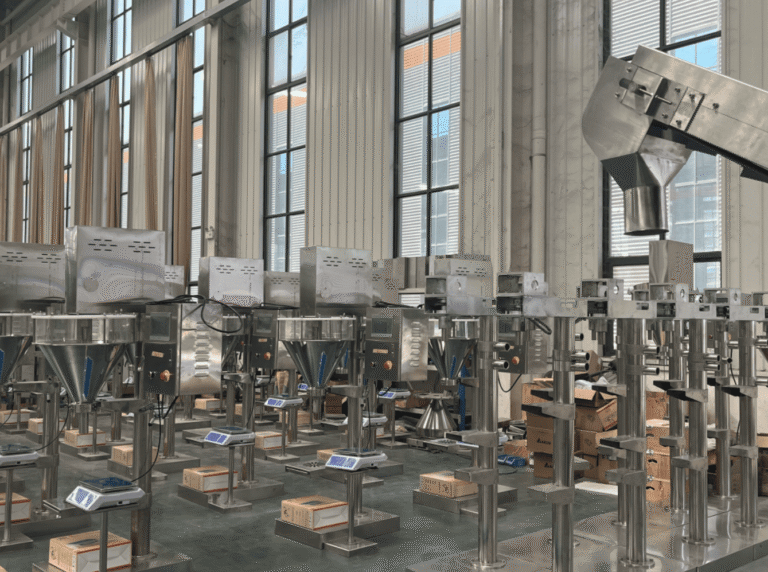
Replaced with two 30L servo-driven screw metering machines, fitted with application-specific fine-powder screws, paired with controlled vibratory feeders and automatic level control. Custom adjustments:
- Wide-pitch shallow-flute screws optimized for fine spice powders
- Servo drive with fine-tuning parameter sets for each product
- Hopper level sensor for stable, consistent feed
Results
- Accuracy: stabilized at ±0.3% to ±0.4%; 100% pass rate on regulatory weight inspections
- Material waste: reduced from 2.2% to 0.4%, saving approximately ¥450,000 per year in raw material costs
- Changeover: calibration time after product switch reduced from 1 hour to 15 minutes
Client Feedback
“Spice raw material is expensive. All that overfill was pure profit leaking out. The material savings alone paid for the machines in a little over four months. We haven’t failed a weight inspection since, and dealer complaints about under-filled bottles have stopped completely.” — Production Manager Zhang (discretionary)
Frequently Asked Questions
How often should I calibrate my screw metering machine?
At minimum, run a 10-bag weight check at the start of every shift. You must recalibrate after every product change, batch change or wear part replacement. For stable materials running long production runs, you can extend to a full calibration once per week.
Why does accuracy change with different powder batches?
Almost always due to bulk density variation. Screw metering delivers a fixed volume, not a fixed weight. If density changes, weight changes too. Always test density for each new batch and recalibrate accordingly.
Does humidity affect powder filling accuracy?
Yes, significantly. High humidity causes hygroscopic powders to absorb moisture, form lumps and flow unevenly. This leads to bridging, inconsistent screw fill and drifting accuracy. For moisture-sensitive products, control room humidity and consider a heated hopper.
What is acceptable filling error for food powder?
In real production conditions, ±0.5% is considered excellent performance for servo-driven screw fillers. ±1% is acceptable for standard industrial applications. Exact targets depend on product value, regulatory requirements and pack size.
Summary
Consistent filling accuracy is not something you buy once and forget. It is the result of matched equipment, controlled material, proper setup and regular maintenance. Work through these 7 steps systematically, and you will see measurable improvement in weight consistency, material waste and inspection pass rate.
For help choosing the right screw configuration for your product, refer to our Screw Metering Machine Selection Guide. In our next article, we cover full preventive maintenance and cleaning procedures to keep your machine accurate and reliable long term.
Uniflow Packaging Machinery | Food-grade powder filling equipment and line optimization. We offer on-site evaluation and accuracy upgrade services. Contact our engineering team for a free assessment of your filling line.