If you run food, pharmaceutical, cosmetic or chemical production, picking the wrong powder filling machine creates endless headaches: blocked hoppers, messy flying powder, unstable filling weights, and thousands of dollars wasted on overfilled product every month.
Many factory managers only compare prices before purchasing, ignoring their powder’s unique traits and packaging demands. This guide walks you through every real-world factor you need to check before placing an order, so you avoid costly post-purchase upgrades and production downtime.
1. Start with your powder: flowability & dust are your top pain points
Your powder’s physical properties decide nearly all machine customizations. Two issues cause 90% of filling failures on production lines: inconsistent flow and airborne dust.
Good-flow powder (granular chemicals, free-flow food powder)
Standard auger filling works smoothly here. But if your material leaks or sprays out during filling, add an anti-leak nozzle kit to cut product loss.
Medium-flow powder (flour, milk powder, regular seasonings)
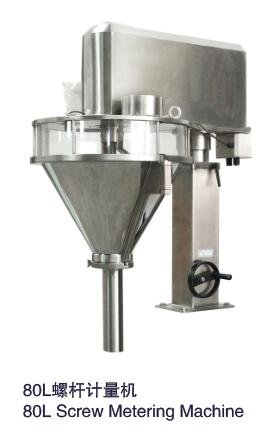
A basic standard auger screw fits most production lines. Screw rotation controls feeding speed evenly with zero frequent blockages.
Poor-flow sticky/compacted powder (pharma fine powder, dense chemical blends)
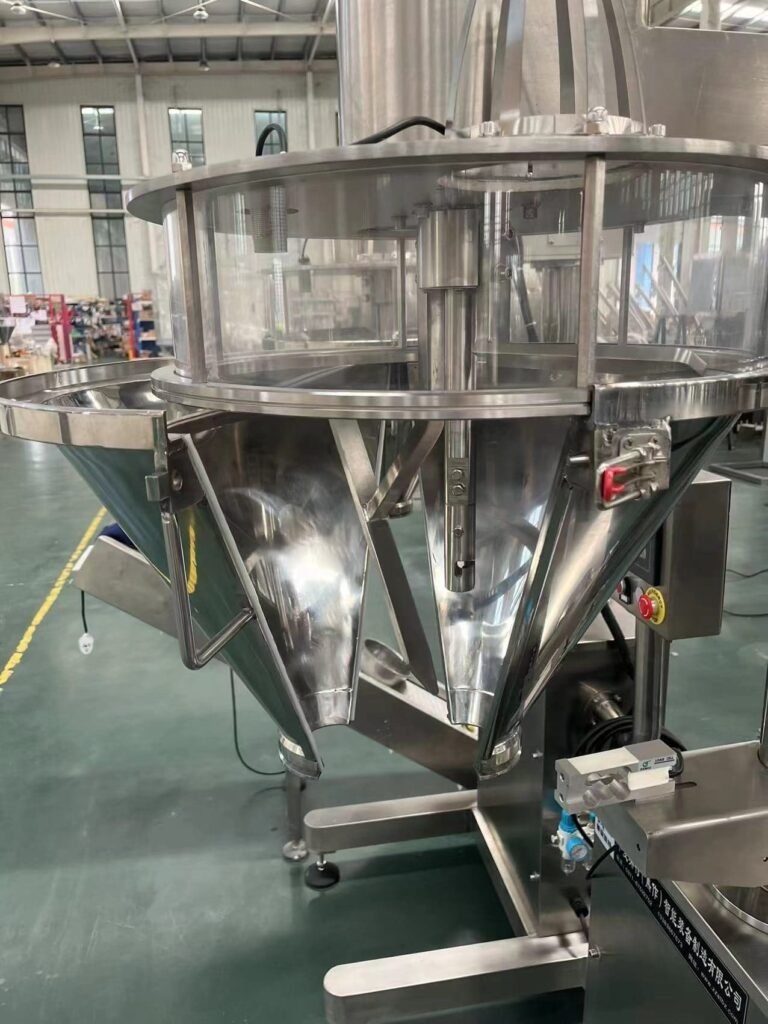
These powders stick together and bridge inside the hopper, halting production nonstop. We recommend a pressure auger system: the built-in extrusion screw pushes powder down steadily without manual poking.
Dust control for ultra-fine powder
Fine pharmaceutical or pigment powder generates heavy floating dust during filling. Dust ruins workshop hygiene, leads to material waste, and even impacts filling precision.
Add an integrated dust suction unit on the filling head — it collects floating particles while filling runs, keeping your workspace clean and cutting raw material loss.
2. Match filling weight ranges to your packaging specs
Different package sizes require distinct machine frames and weighing systems. Below are common production weight bands, all support full customization from our powder filling machine manufacturer team:
- 5g–500g: small sachets, glass bottles, mini retail jars
- 500g–6kg: medium plastic jars, food stand-up pouches
- 2kg–10kg: large bulk food bags
- 2kg–25kg & 5kg–50kg: industrial chemical bulk sacks
If you switch between multiple weight specs monthly, confirm the machine stores preset weight programs on its touchscreen to skip repeated calibration.
3. Adjust machine setup based on your filling containers
Bags, narrow-mouth bottles and wide jars each need different holding fixtures to stop tipping and overflow during filling.
- For bags: equip bag clamps and supporting weighing platforms to stabilize soft pouches mid-fill
- For bottles & small jars: add positioning holders to lock containers in place
- Special fix for tiny bottle necks: custom narrow-nozzle fixtures eliminate unstable filling and powder splashing out of small openings
4. Pick the right filling system for your production goals
Three filling modes cover all factory needs; pick based on speed, material value and precision demands:
- Fill-by-Volume: Fast throughput, ideal for stable-density low-cost powder
- Fill-by-Weight: Top precision for high-value pharma, nutraceutical powder, cuts giveaway waste
- Fill-by-Time: Hidden timing mode for simple fixed-output production, easy manual adjustment via touchscreen
Optional add-on: weighing & printing function, to print weight labels right after filling for compliance tracking.
5. Critical machine hardware you shouldn’t overlook
Low-cost fillers cut corners on motors, control panels and contact materials — these parts decide long-term stability and cleaning efficiency.
Hopper size options
50L / 100L easy-disassembly hoppers for quick daily washdown, perfect for food and pharma factories with strict hygiene rules.
Servo motor & PLC touchscreen brands
Choose DELTA or Siemens servo motors + matching PLC touch panels. Both brands deliver smooth screw control, less breakdown and multi-language operation. Operators from Germany, Russia, Korea or English-speaking regions can navigate settings without translation support.
Material of contact parts
All parts touching powder come standard in SUS304 stainless steel. Upgrade to SUS316L for pharmaceutical, acid-sensitive or high-hygiene production lines.
6. Filling accuracy: smaller doses demand tighter error control
High-quality auger filling equipment hits ≥99% filling stability, up to 99.7% with premium servo configurations.
A clear rule of thumb: the smaller your filling volume, the higher precision you get:
- 1g small-dose filling: ±0.05g error
- 16g standard powder filling: ±0.3g error
Weight fluctuation mainly comes from uneven powder flow, so always test your actual material before finalizing machine specs.
7. Two flexible operation modes for your workshop workflow
You can freely select photoelectric auto-control or foot pedal manual operation based on your labor arrangement:
- Photoelectric sensor: fully automatic continuous filling for high-volume mass production
- Foot pedal: hands-free manual filling for small-batch trial runs or low-speed packaging lines
8. Why customized powder filling machines beat generic standard models
Generic off-the-shelf fillers rarely fit unique production pain points: sticky powder blockages, heavy dust, tiny bottle openings or mixed weight packaging.
A professional powder filling machine manufacturer analyzes your raw material samples, container types and output targets to build a tailored auger filling solution that eliminates your specific production bottlenecks.
Final Takeaway
The best powder filling machine isn’t the cheapest or fastest model — it’s the one that matches your powder flow, weight ranges, container shapes and precision standards.
Skipping material testing and custom fixture checks leads to constant downtime, wasted powder and extra modification costs down the line.
If you’re sourcing reliable automatic powder filling equipment for your factory, send over your powder samples and packaging specs. Our engineering team will share a targeted machine recommendation with clear precision and configuration breakdowns for your production line.