Auger Screw Selection for Powder Filling: Practical Guide
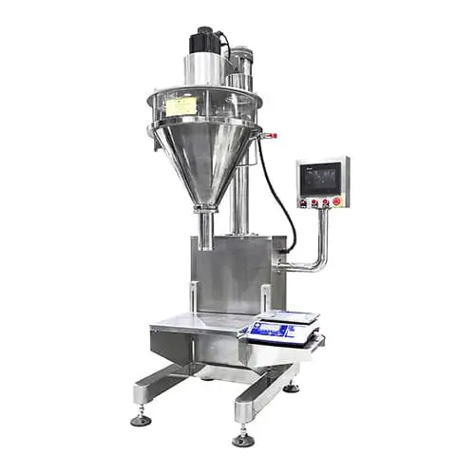
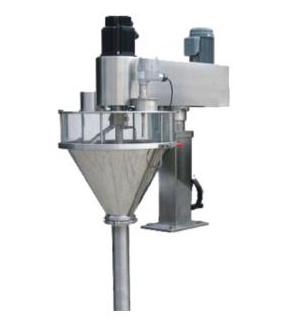
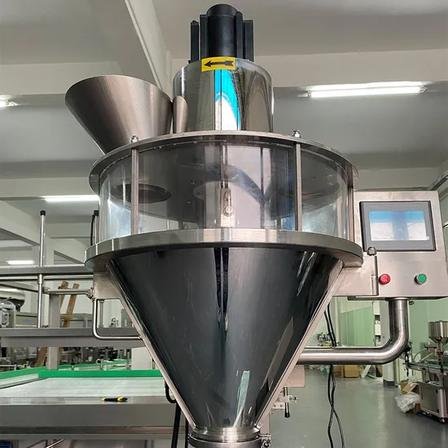
If you’re struggling with inconsistent filling accuracy, frequent material bridging, or excessive dust on your auger filler, the problem is often not the machine itself — it’s the screw.
Many buyers specify an auger filler based on overall machine specifications, and pay little attention to the screw profile. Yet the screw is the single component that determines how well the machine handles your specific powder. A mismatched screw will cause poor performance, material waste and endless troubleshooting, even on a high-quality machine.
This guide breaks down how to select the right auger screw for your powder filling application, so you can get consistent accuracy, smooth feed and minimal dust from day one.
Why Screw Selection Makes Such a Big Difference
The auger screw is the heart of volumetric and gravimetric auger fillers. It controls exactly how much powder is moved, how smoothly it flows, and how much air is entrained in the product.
A poorly matched screw causes:
- Weight variation and poor filling accuracy
- Frequent bridging and uneven product feed
- Increased dust generation and product aeration
- Excessive wear and shortened part life
- Higher material waste and lower line efficiency
In many cases, changing the screw profile solves performance issues that operators spend months trying to fix through speed adjustments and calibration tweaks.
4 Key Factors That Determine Screw Selection
1. Powder Flow & Material Properties
This is the single most important factor. Different powders require completely different screw geometries.
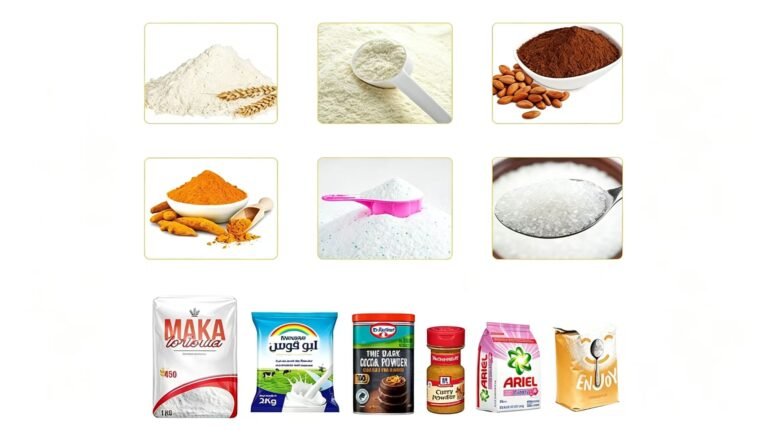
- Free-flowing granular powders (salt, sugar, grain): Work well with simple, open screw designs at high speeds.
- Fine and cohesive powders (flour, milk powder, starch): Require tighter control to prevent flooding and aeration.
- Dusty / ultra-fine powders (carbon black, pigments, additives): Need enclosed, controlled feed to minimize dust and ensure consistent volume.
- Sticky / hygroscopic powders: Require polished surfaces and open flight design to prevent buildup.
2. Fill Weight Range
Screw diameter and length must match your target fill weight.
- Small doses (1–50g): Small diameter, fine pitch screws for precise low-volume dispensing.
- Medium fills (50g–2kg): Standard diameter general-purpose screws, the most common range.
- Large bulk fills (2kg+): Larger diameter, deeper flight screws for high-volume fast feeding.
Using a large screw for small fill weights causes poor accuracy and erratic cut-off. Using a small screw for large fills limits speed and causes excessive wear.
3. Required Filling Accuracy
Screw design directly impacts achievable weight tolerance.
- Low accuracy (±1–2%): Standard straight flight screws are sufficient.
- Medium accuracy (±0.3–0.5%): Tapered root or variable pitch screws provide better volume control.
- High accuracy (±0.1–0.2%): Precision machined screws with tight tolerances, paired with gravimetric feedback.
4. Target Production Speed
Faster production requires different screw behavior than slow, precise filling.
- High-speed lines benefit from screws that move product smoothly without pulsing.
- Precision filling often uses slower, more controlled screw profiles that prioritize accuracy over speed.
Common Auger Screw Types & Best Applications
1. Equal Pitch, Equal Depth Screw
- Design: Uniform flight spacing and uniform root diameter.
- Best for: Free-flowing granular products, high-speed filling, simple bulk applications.
- Pros: High throughput, simple design, low cost.
- Limitations: Poor accuracy with fine powders; can cause flooding and aeration.
2. Equal Pitch, Tapered Depth Screw
- Design: Uniform flight spacing, but root diameter increases toward the outlet.
- Best for: Most general food and chemical powders; the most versatile all-around option.
- Pros: Good accuracy, consistent feed, works across a reasonable range of powder types.
- Limitations: Not ideal for extremely cohesive or very fine dusty products.
3. Variable Pitch, Variable Depth Screw
- Design: Both flight spacing and root depth change along the screw length.
- Best for: Fine, cohesive, or dusty powders; high-accuracy applications.
- Pros: De-aerates product, controls feed rate, minimizes bridging, delivers tight accuracy.
- Limitations: Lower maximum speed; more expensive; product-specific.
Common Screw Selection Mistakes to Avoid
- Using one screw for all products A screw that works for granulated sugar will perform poorly with fine flour. If you run multiple products, you will likely need multiple screw profiles.
- Choosing based only on fill weight Two powders with the same fill weight but different flow properties need completely different screws. Always base selection on your actual powder, not just weight range.
- Oversizing for speed A larger screw will not always give you faster production. It will often give you worse accuracy, more dust, and more waste.
- Ignoring wear over time Screw flights wear down, especially with abrasive powders. Worn screws cause gradual accuracy drift that is often misdiagnosed as a calibration issue.
Final Selection Tips
- Always test with your actual powder sample before finalizing screw selection.
- If you run 3+ different products, start with a general-purpose tapered screw and add specialty screws for problematic products.
- For persistent accuracy or dust issues, a custom-matched screw profile almost always delivers better results than adjusting machine parameters.
- Keep at least one spare screw per production line to avoid extended downtime during wear or damage.
Final Thoughts
Auger screw selection is one of the most underrated decisions in powder packaging. It is also one of the highest-return improvements you can make — a correctly matched screw typically delivers immediate gains in accuracy, consistency and waste reduction.
You do not need a new machine to get better filling performance. In most cases, you just need the right screw for the powder you are running.
If you are not sure which screw profile is right for your powder, or if you are dealing with persistent filling issues, our engineering team can review your application and recommend a screw matched to your exact material and production requirements. Contact us today for a screw selection consultation.