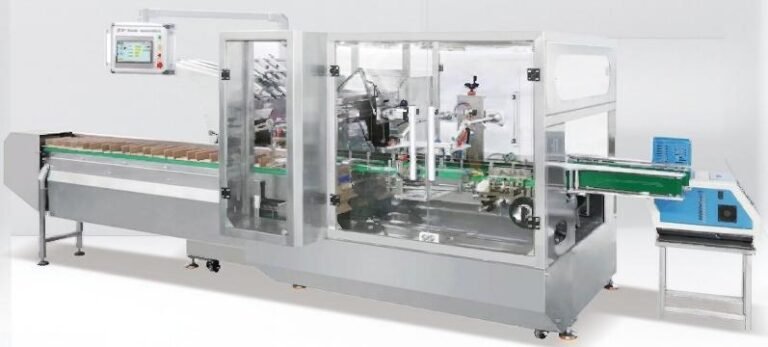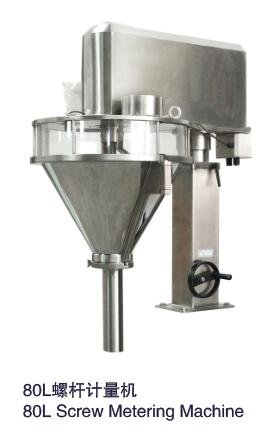
Choosing the right powder packing machine is one of the most important equipment decisions for powder production lines. A well-selected machine can improve filling accuracy, increase line speed, reduce material waste and lower long-term maintenance costs. However, many buyers still make decisions based mainly on price, advertised speed or general specifications, only to find that the machine cannot handle their specific powder reliably.
This guide covers the most critical factors you should evaluate before purchasing a powder packing machine, including material characteristics, accuracy requirements, production capacity, ease of cleaning, after-sales support and total cost of ownership.
1. Start with Your Powder Material, Not the Machine Spec Sheet
The first rule of powder packing machine selection is: match the machine to your powder, not the powder to the machine.
Different powders behave very differently. A machine that works well for one product may cause frequent dust leakage, bridging, weighing drift or product waste when used with another.
Ask these questions before selection:
- Is the powder free-flowing, fine, fluffy or cohesive?
- What is the bulk density of the material?
- Does the powder contain dust, oil, moisture or sticky components?
- Is it food-grade, pharmaceutical, chemical or construction powder?
- Does it require hygienic design, easy cleaning or material changeover?
For example, granulated sugar and salt are relatively easy to pack, while flour, protein powder, carbon black, spices and pharmaceutical excipients require more careful consideration of screw design, hopper structure and dust control.
2. Define Required Filling Accuracy
Filling accuracy directly affects product quality, material cost and regulatory compliance. For high-value powders, even a small error percentage can cause significant financial loss over time.
Typical accuracy levels:
- ±1–2%: Acceptable for low-value granular products where consistency is less critical.
- ±0.2–0.5%: Suitable for most food powder packaging, nutraceuticals and general chemical products.
- ±0.1–0.3%: Required for high-value pharmaceutical powders, fine chemicals and premium nutritional products.
Key considerations:
- Accuracy should be tested with your actual powder, not just based on manufacturer specifications.
- Weighing system stability is more important than a single perfect test result.
- High-value products generally justify a higher initial investment in load cell-based gravimetric filling.
3. Match Machine Capacity to Real Production Needs
Production speed is an important parameter, but it should not be evaluated in isolation. A machine that runs fast on paper may slow down significantly when running at high accuracy or handling difficult powders.
Evaluate these capacity factors:
- Containers per minute under normal production conditions
- Maximum fill weight range
- Bag or container type: premade pouch, open-mouth bag, jar, can, sachet
- Manual, semi-automatic or fully automatic operation
- Operator availability and shift arrangement
Practical advice:
If your production volume is growing rapidly, avoid overbuying a machine that is too large for current needs. Instead, choose a scalable solution that can be upgraded with additional heads, larger hoppers or better feeding systems later.
4. Evaluate Machine Structure and Hygiene Design
Machine structure affects not only cleanliness, but also maintenance speed, changeover efficiency and long-term reliability.
Important design features:
- Stainless steel contact parts
- Tool-free or quick-release screw assembly
- Easy-access hopper and feeding chamber
- Smooth surfaces without unnecessary crevices
- Dust-tight design around filling and bag clamping areas
- Compatibility with cleaning-in-place procedures
For food and pharmaceutical applications, hygienic design should be treated as a non-negotiable requirement, not an optional extra.
5. Consider Changeover Flexibility for Multi-SKU Production
If your factory produces multiple products or different pack sizes, changeover time will have a direct impact on overall equipment effectiveness.
Questions to ask:
- Can fill weight be adjusted through the control panel?
- How long does it take to clean between different products?
- Are screw, hopper and contact parts easy to remove?
- Does the machine support recipe storage for different SKUs?
- Can the same machine handle both small sachets and larger bags?
A machine that requires long disassembly and recalibration between products will become a bottleneck in multi-SKU production.
6. After-Sales Support and Spare Parts Availability
For industrial equipment, after-sales support is often more important than the initial purchase price. Even the best machine will fail eventually if support is slow, spare parts are expensive, and technical assistance is unavailable.
Check these service capabilities:
- Does the supplier provide installation and commissioning support?
- Is training provided for operators and maintenance staff?
- Are spare parts available locally or with reasonable delivery time?
- Does the supplier offer remote diagnostics?
- What is the warranty period and what does it cover?
- Is there a clear escalation path for technical problems?
A good supplier should not only deliver the machine, but also help your team run it reliably.
7. Calculate Total Cost of Ownership, Not Just Price
Many purchasing decisions are made based on the lowest quotation. However, a cheaper machine can become more expensive over time if it causes high material waste, frequent downtime, poor accuracy and high maintenance costs.
Include these costs in your calculation:
- Machine purchase price
- Installation and commissioning
- Operator training
- Consumable parts
- Spare parts
- Maintenance labor
- Material waste
- Production downtime
- Energy consumption
A slightly higher investment in a better-matched machine often delivers lower total cost of ownership within one to two years.
Industry-Specific Selection Recommendations
Food and Beverage
Food powder packaging requires hygiene, cleanability and consistent taste preservation.
Recommended focus:
- Food-grade contact materials
- Easy cleaning and quick changeover
- Dust control
- Recipe management for multiple flavors or blends
- Accuracy suitable for consumer packaged goods
Pharmaceutical and Nutraceutical
Pharmaceutical and nutraceutical products demand high accuracy, traceability and compliance.
Recommended focus:
- High-precision gravimetric filling
- Documentation and batch traceability
- Hygienic design
- Minimal product contamination risk
- Calibration and validation support
Chemical and Construction Powder
Chemical and construction powders often involve heavy bulk density, abrasiveness or dustiness.
Recommended focus:
- Robust machine frame
- Wear-resistant screw and contact parts
- Effective dust extraction
- Safety guarding
- Durable long-term operation
Final Checklist Before Ordering
Before making a final decision, confirm these points:
- The machine has been tested with your actual powder.
- The quoted accuracy matches your required fill weight.
- The production speed is realistic under normal operating conditions.
- The machine design matches your container type.
- After-sales support and spare parts are clearly defined.
- Installation, training and commissioning are included or separately quoted.
- The total cost of ownership has been calculated, not just the machine price.
Final Thoughts
Selecting a powder packing machine is not about finding the most technically advanced or the cheapest machine. It is about finding the machine that best matches your powder properties, accuracy requirements, production capacity, hygiene standards and after-sales expectations.
If you are still unsure which powder packing machine fits your application, or if you want to test your powder material before purchasing, our technical team can help you evaluate filling performance, accuracy and overall suitability. Contact us today for a professional machine selection consultation.